
Nix the Nips CT!
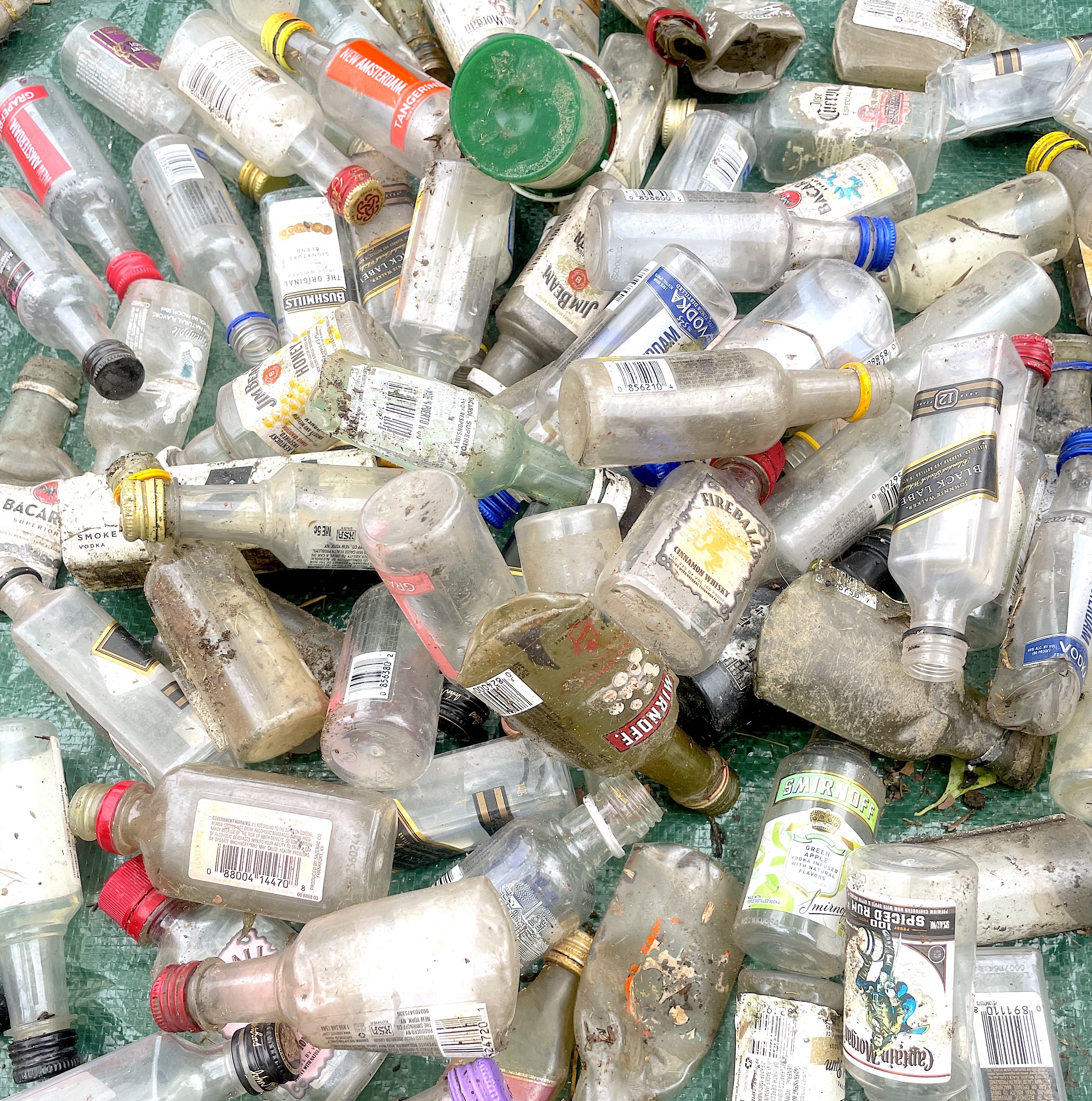
Ban miniature alcohol bottles (nips) across the state of Connecticut !
UPDATE: 2/11/2026
Connecticut Chapter Chair, Rachel Precious, attended a press conference to raise awareness about nips and was quoted in multiple articles and a podcast on NPR.
Now, we need your help; Rep. Mary Mushinsky (D-Wallingford) has introduced two bills regarding nips that are currently under consideration. One would ban nips altogether, and the other would put them in under the bottle bill system, where there's a refundable deposit.
We need the Environment Committee to give these bills a public hearing. Now is the time to call the environment committee chairs and ask for a hearing for the nips bills. Alternatively, you could contact your own representative and ask them to speak to the chairs. Information on the committee chairs, or your own representatives, can be found here: cga.ct.gov.
If you have questions or want to get involved, please contact: chair@ct.surfrider.org
Background
Connecticut is one of 10 states in the U.S. that are "bottle bill" states. Bottle bills, also known as container redemption programs, may have slightly different provisions in each state, but essentially they work by charging a small deposit on a container at the time of purchase, which is then returned to the consumer when the empty bottle is returned.
Our current bottle bill includes the expansion to new types of covered beverages on January 1, 2023 and the increase in the deposit from $0.05 to $0.10 beginning January 1, 2024. While this is an improvement on our bottle bill, key exemptions on the types of bottles covered weakened the bill as a direct result of the alcohol industry's lobbying efforts. One such exemption is 50mL alcohol "miniatures," also known as "nips." Instead of allowing nips to be redeemed, a program called "Nickle-Per-Nip" was established.
The program, which places a 5-cent surcharge on every 50mL container of alcohol sold, was passed in 2021. Each municipality receives 5 cents for every nip sold within its borders, and checks are sent to cities and towns every April and October.
The “Nickle-for-a-Nip” law is a perfect example of green washing: not only does it not curb the problem of plastic production, it fuels it. It incentivizes people to purchase single-use plastic nips because they will feel better about their purchase knowing it’ll contribute to a state fund to clean up litter. We need to be working to reduce it in the first place, not simply clean it up.
These tiny bottles are often discarded in the streets, where they wash down and collect in storm drains or simply wash right into our waterways. Eventually, as we see from our cleanups, these nips end up in the ocean.
Connecticut is a diverse state, and because of that, it’s important that we have laws that are applicable to our state as a whole, but also work for our specific communities and the unique challenges some of our towns and cities face. CT’s coastal towns face the brunt of this plastic pollution, and as such, they should be able to pass their own laws regarding the sale of them in their town.